
Tile Roofing in Downey, CA. Built for Beauty and Longevity
SMH Roof Works installs and repairs clay and concrete tile roofing for homes across Downey, CA (90239-90242) and the Gateway Cities. Licensed and bonded, with written estimates for tile roof installation, tile roof repair, and re-roofing on Spanish and Mediterranean style homes.
100+ ReviewS
Licensed & Certified
100% Satisfied clients
A cracked or slipped tile in Downey doesn’t stay a small problem for long.
One overlooked issue, like a cracked tile, a slipped course, or aging underlayment beneath the tile, can turn into a full interior leak after the next Santa Ana wind event or winter storm. Since your tile roof protects everything under it, you deserve a contractor who understands how tile systems actually work before a small repair becomes a bigger one.
We help Downey homeowners get tile roof work done right the first time.
We’re licensed and bonded to work in California, and every estimate is written, not verbal. Every tile roof inspection includes checking the underlayment condition and attic, not just what’s visible from the ground. If a targeted tile repair will genuinely extend your roof’s life, we’ll say so instead of pushing a full replacement you don’t need yet.
What Is Tile Roofing?
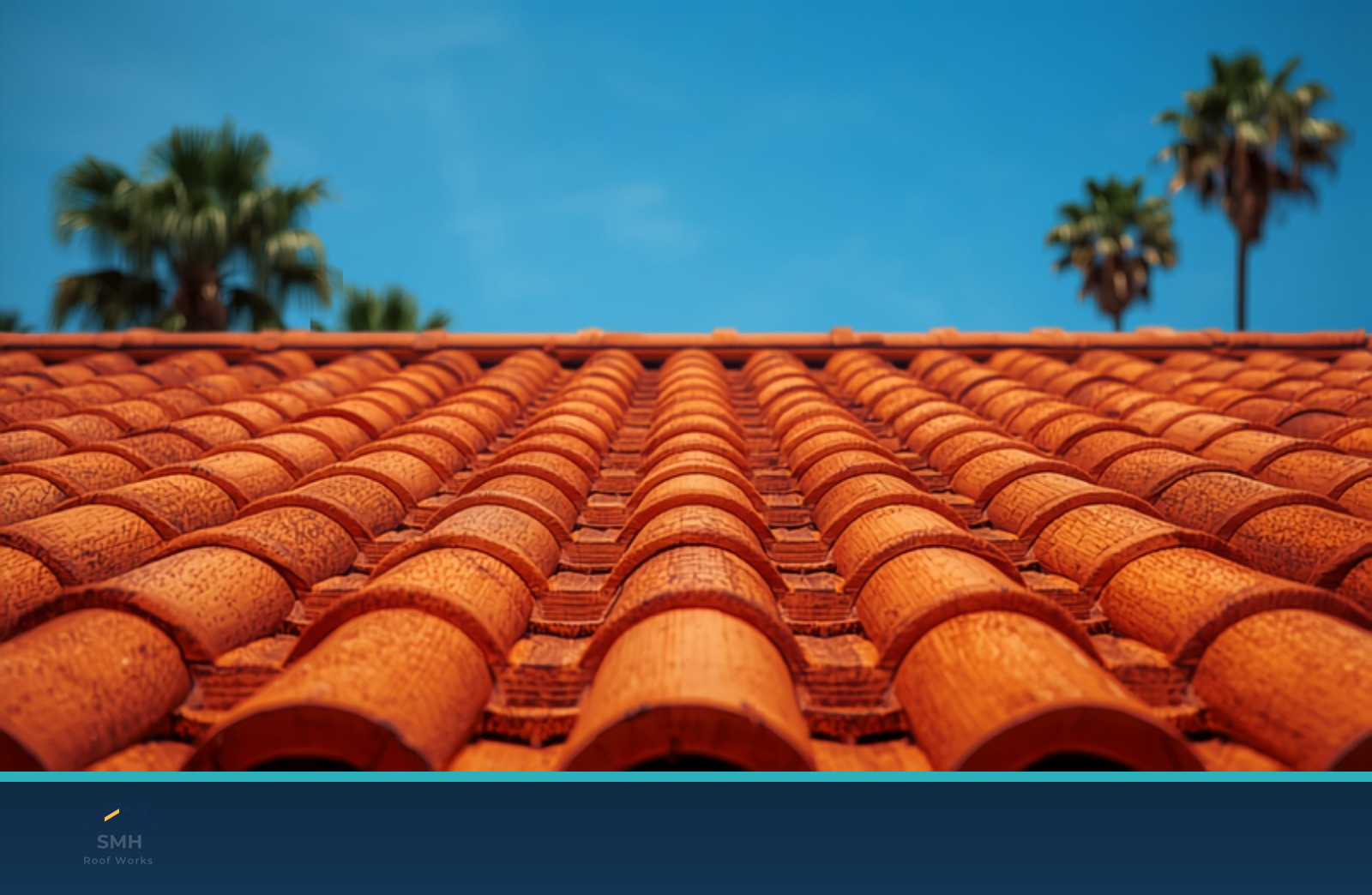
Tile roofing is one of the most durable and visually distinctive roofing systems used on residential homes in Southern California. Made from fired clay or from cement-based concrete, roof tiles are individually shaped, kiln-fired or cured, and then installed in overlapping courses over a waterproof underlayment. Unlike composition shingles, which rely primarily on the shingle mat itself to shed water, a tile roof functions as a two-part system: the tiles provide the visible, weather- and UV-resistant surface, while a separate underlayment membrane beneath the tiles does most of the actual work of keeping water out of the structure. This is an important distinction for homeowners to understand, because it means the long-term performance of a tile roof depends heavily on the quality and condition of that underlayment layer, not just the tiles on top.
In Downey and across the Gateway Cities, tile roofing is a common sight on Spanish Colonial, Mission Revival, and Mediterranean-style homes, where the warm, rounded profile of clay barrel tile or the flatter look of concrete flat tile complements stucco exteriors and arched details. Tile is also popular simply because of how long it lasts and how well it tolerates the intense summer sun and occasional Santa Ana wind events that are typical of the region.
Clay Tile vs. Concrete Tile: What’s the Difference?
Homeowners considering a tile roof usually choose between clay and concrete tile, and the two materials differ in weight, cost, appearance, and long-term behavior.
| Feature | Clay Tile | Concrete Tile |
|---|---|---|
| Material | Natural fired clay | Sand, cement, and pigment, molded and cured |
| Typical weight | Generally lighter than concrete tile, though still heavier than asphalt shingles | Generally heavier than clay tile |
| Color retention | Color is fired into the clay body, so it tends to hold its tone for decades | Color is often a surface or through-body pigment/coating that can fade gradually over time |
| Typical lifespan | Often 50 years and, with many historic examples, well beyond 100 years | Commonly rated in the 30-50 year range, with well-maintained installations lasting longer |
| Common styles | Barrel/mission tile, S-tile | Flat, S-tile, and profiles that mimic slate or wood shake |
Both materials are considered premium, long-lifespan roofing options compared to standard asphalt shingles, and both require the roof structure to be evaluated for the additional weight before installation, particularly on older homes.
Exceptional Lifespan and Durability
The biggest reason homeowners choose tile is longevity. While asphalt composition shingles are typically rated for roughly 20 to 30 years depending on the product, tile roofing is widely recognized in the roofing industry as one of the longest-lasting roofing materials available, with well-installed clay or concrete tile roofs commonly lasting 50 years or more. Many original tile roofs on older Southern California homes are still functioning today, decades after installation, because the tile itself is highly resistant to sun exposure, moisture cycling, and general wear.
It’s important to note that the tiles themselves usually outlast the underlayment beneath them. The underlayment (the waterproof membrane layer) has a shorter service life than the tile, often in the range of 20 to 30 years depending on the material used, so a tile roof that is decades old may still have attractive, intact tiles while the underlayment underneath has begun to deteriorate and needs replacement. This is one of the most common reasons a tile roof develops leaks even though the tiles look fine from the ground.
Fire Resistance
Clay and concrete roof tiles are non-combustible materials, and tile roofing systems are commonly rated Class A for fire resistance, the highest fire rating a roofing assembly can achieve. This is a meaningful benefit in Southern California, where wildfire risk and ember exposure are ongoing concerns for many communities. A Class A-rated roof assembly can also be a factor insurance carriers take into account when underwriting a home, though homeowners should always confirm current rating requirements and underwriting practices with their own insurance provider, since standards and requirements can change.
Weight and Structural Considerations
Tile roofing is significantly heavier than asphalt shingles, and this is one of the most important factors to evaluate before installing or re-roofing with tile. Concrete and clay tile can weigh several times more per square foot than standard composition shingles, and that additional load has to be carried by the home’s rafters, sheathing, and overall roof framing.
Skipping this evaluation is one of the more serious mistakes a homeowner can make when switching to tile, since an under-built roof structure carrying tile loads over time can lead to sagging, stress on framing members, and costly structural repairs down the road.
Why Tile Fits Southern California Architecture
Tile roofing has a long architectural history in California, closely associated with Spanish Colonial Revival, Mission Revival, and Mediterranean-style homes that are common throughout Downey and neighboring communities. The curved profile of barrel tile, in particular, is one of the defining visual features of these architectural styles, and homeowners restoring or maintaining a home in one of these styles often choose tile specifically to preserve its intended look. Beyond aesthetics, tile’s resistance to UV degradation, its non-combustible composition, and its long service life make it a practical match for the region’s sun exposure, dry summers, and periodic fire-weather conditions.
Installation: Why Underlayment Is Critical
A tile roof installation is a multi-layer process, and the underlayment is arguably the most important part of the system, since it’s the layer actually responsible for keeping water out. A typical installation sequence includes:
- Deck preparation — inspecting and repairing the roof sheathing, and confirming the structure can support the tile load.
- Underlayment installation — applying a high-quality, tile-rated waterproof underlayment across the entire deck; this membrane does the primary waterproofing work.
- Battens or direct-nail systems — depending on the tile profile and local building code, horizontal battens may be installed to help hold tile courses in place and improve airflow beneath the tiles.
- Flashing details — careful flashing at valleys, chimneys, skylights, and roof-to-wall transitions, which are common leak points on any roof, including tile.
- Tile installation — setting and fastening tiles in overlapping courses from the eave to the ridge, with attention to alignment, fastening method, and manufacturer spacing requirements.
- Ridge and hip finishing — capping ridges and hips with specialty tile pieces, properly sealed and fastened.
Because the underlayment carries so much of the waterproofing responsibility, and because it wears out well before the tile itself does, many tile roofs eventually go through a process sometimes called a “tile re-lay” or “lift and relay,” where the existing tiles are carefully removed, the old underlayment is stripped and replaced, and the original tiles are reinstalled. This approach preserves the existing tile (avoiding the cost and material impact of buying new tile) while restoring the waterproofing layer to like-new condition.
Maintenance: Please Don’t Walk on Your Tile Roof
One of the most important things any tile roof owner should know is that tile is not designed to be walked on casually. Clay and concrete tiles can crack or shift under foot traffic, particularly from someone who isn’t trained in how to distribute weight properly across a tile roof. A single cracked tile might seem minor, but it creates a direct path for water intrusion at that spot, and a broken tile that isn’t identified and replaced can lead to underlayment damage and interior leaks over time.
If you need something inspected on your roof, whether it’s storm damage, a possible leak, or a routine check, it’s best to have a professional roofer walk the roof, since experienced tile roofers know how to step near the headlap of each tile (the reinforced overlapping area) rather than in the center, where tile is most prone to cracking. Homeowners should also be cautious about allowing solar installers, satellite/antenna technicians, painters, or other tradespeople onto a tile roof without confirming they have experience working on tile specifically.
Common Tile Roof Repair Issues
Because tile itself lasts so long, most tile roof repairs are not about replacing the roofing material broadly but about addressing specific, localized issues, including:
A qualified tile roofer can typically distinguish between a simple tile replacement and a more significant underlayment issue during an inspection, which helps homeowners understand the actual scope of a repair before work begins.
Tile vs. Asphalt Shingle: A Quick Comparison
Asphalt composition shingles remain the most common roofing material in the United States because they are lighter, generally faster to install, and typically have a lower upfront cost than tile. Tile roofing, by contrast, involves a higher initial investment and requires structural consideration due to its weight, but it offers a substantially longer service life, strong fire resistance, and a distinct architectural appearance that suits many Southern California homes. Cost factors for a tile roof include the tile material chosen (clay is often more expensive than concrete), the roof’s size and pitch, the condition of the existing structure, whether structural reinforcement is needed, and the complexity of the roofline (valleys, hips, dormers, and penetrations all add labor). Rather than quoting a fixed price, the best way to understand realistic costs for a specific home is a written, itemized estimate following an in-person inspection.
Roofing Contractor Services We Provide in Downey
Types of Jobs We Handle
Recent Roof Work in Downey
A closer look at three jobs we completed nearby — the problem, what we found, and how we fixed it.
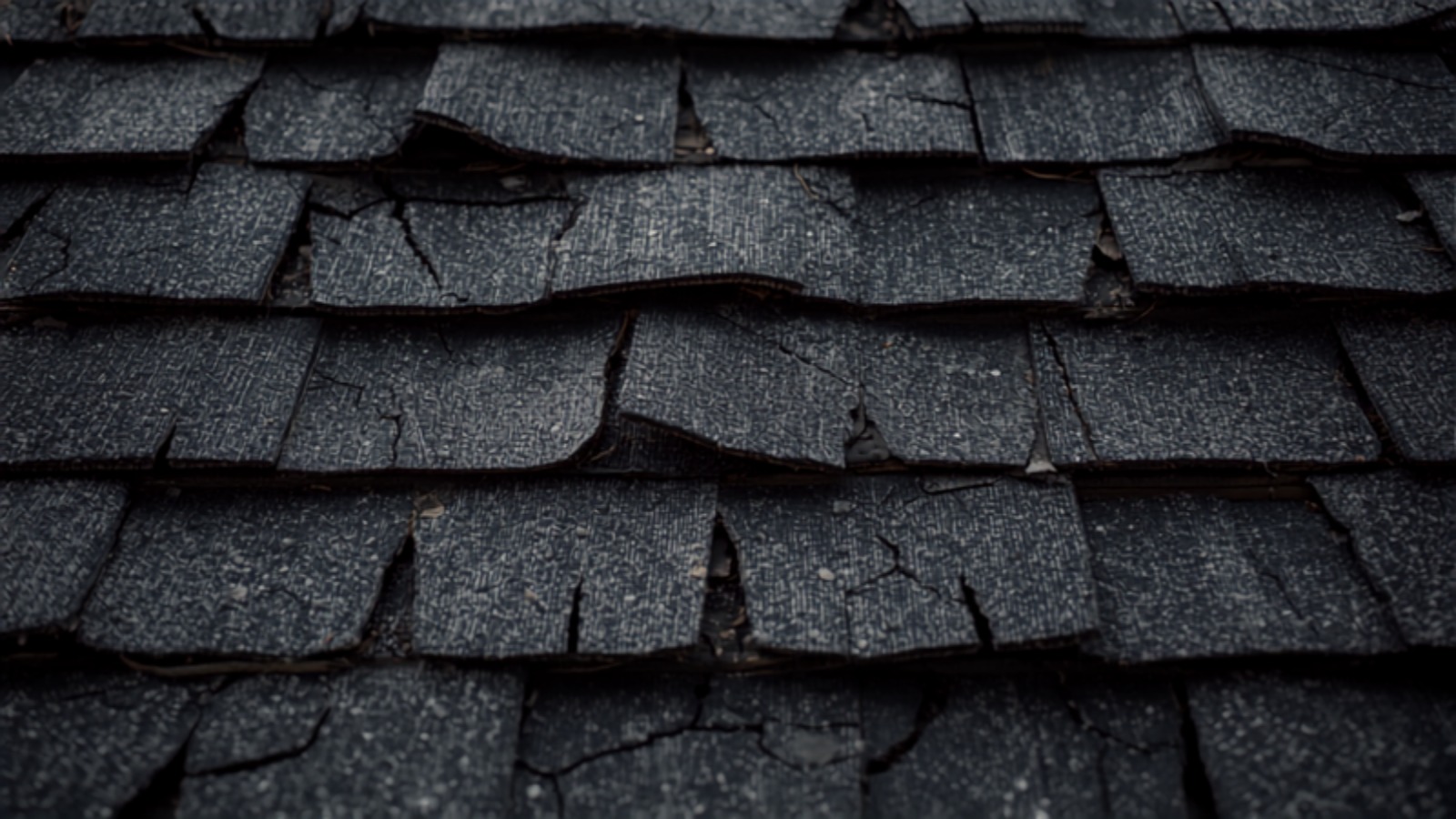
 Example: cracked underlayment hidden beneath curling shingles — common on original 1950s Downey roofs
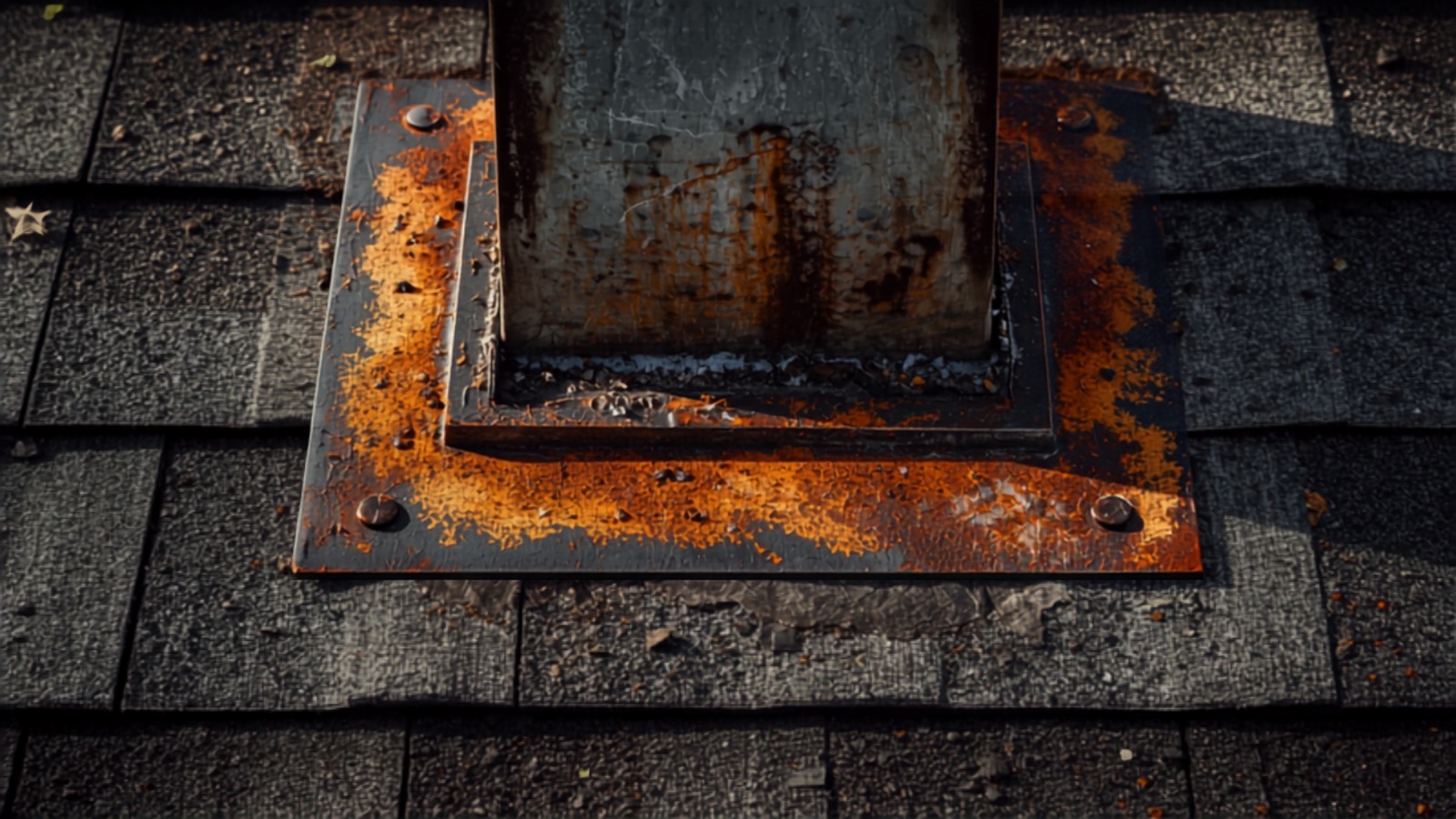
 Example: rusted flashing around a vent pipe, a common leak source in Downey’s postwar tract homes
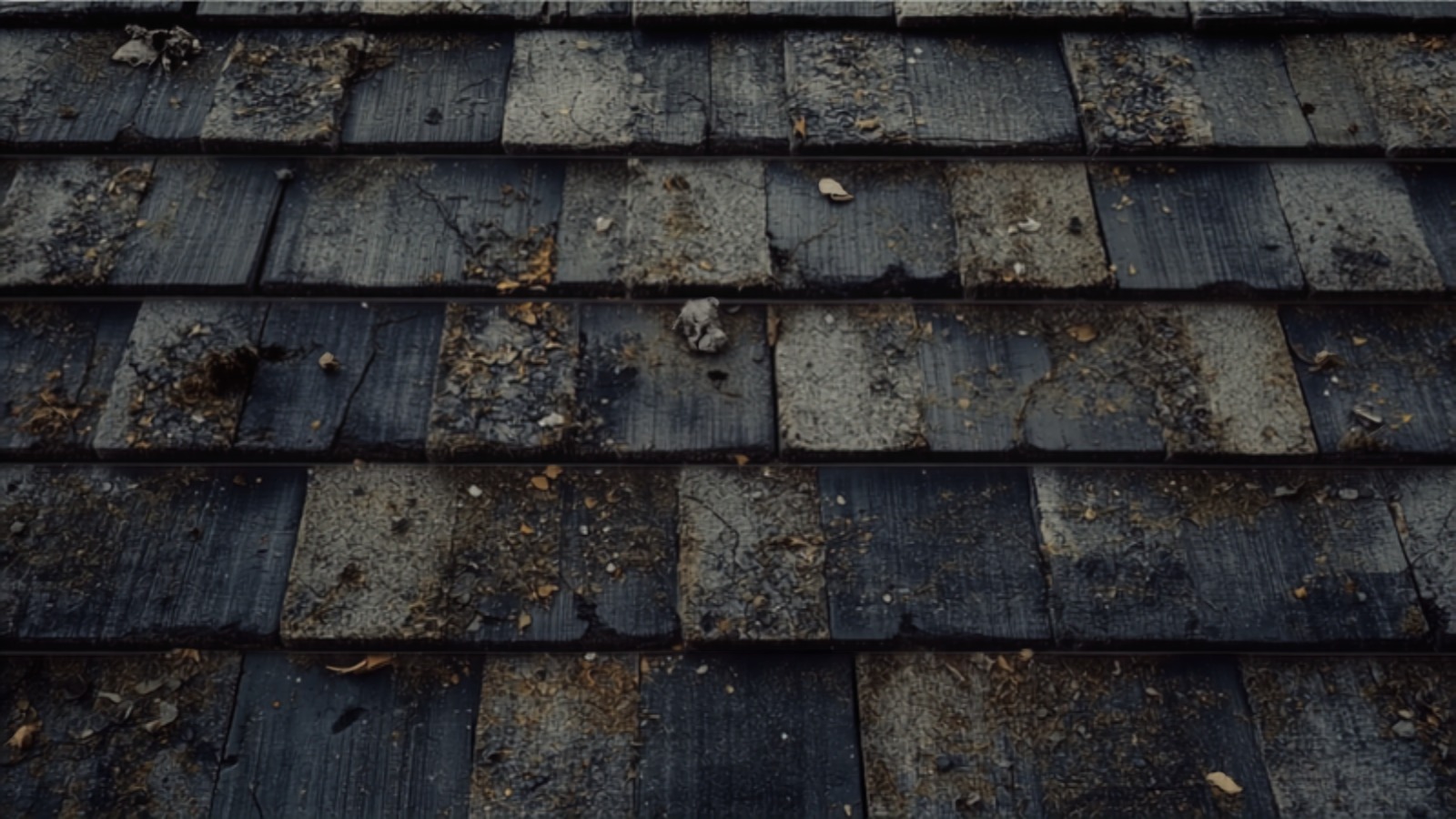
- Example: granule loss and algae streaking that signals a roof nearing the end of its service life
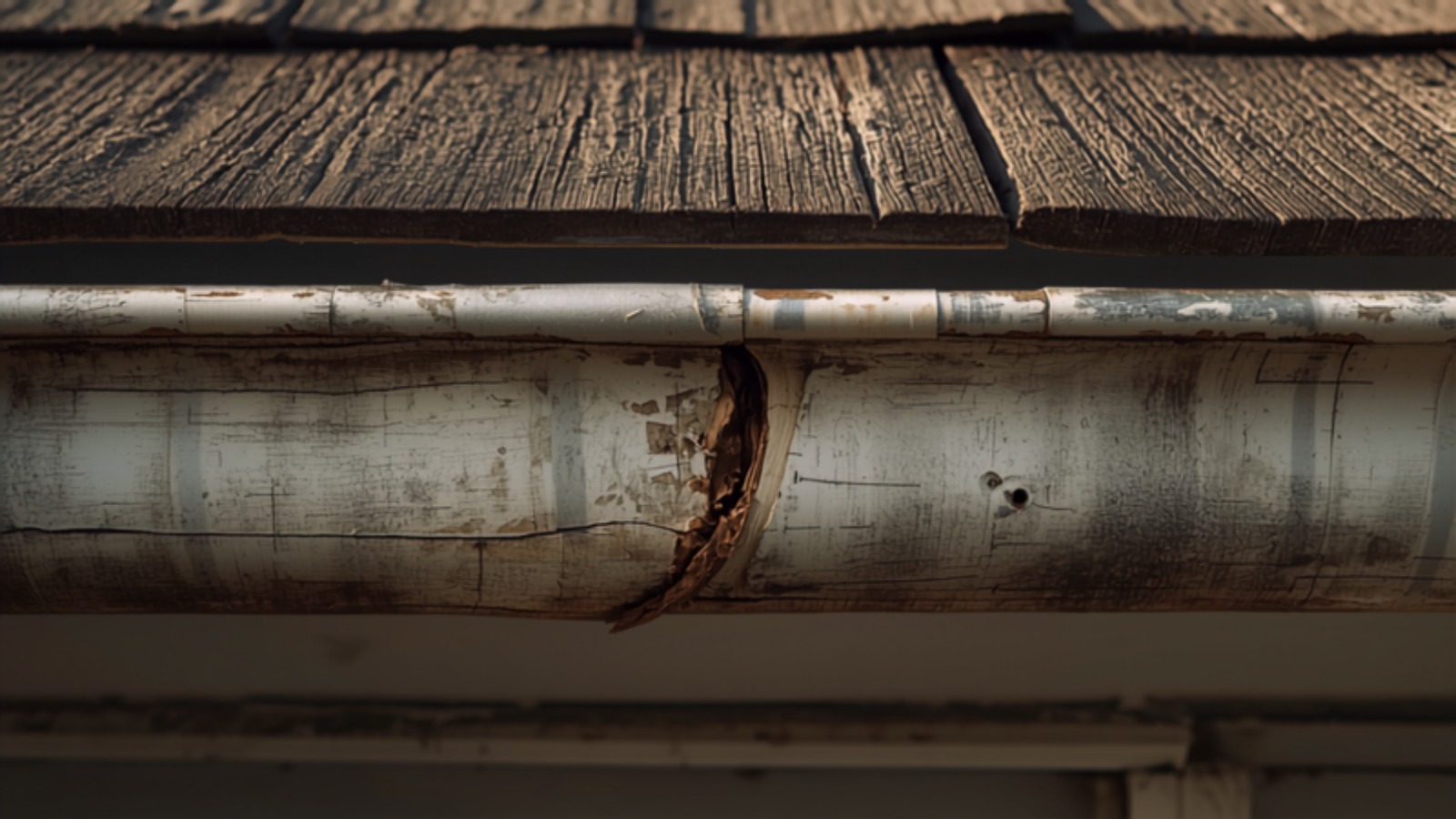
 Example: gutter separation and fascia rot after a season of clogged downspouts
Get a Tile Roofing Estimate in Downey, CA
Whether you’re maintaining an existing clay or concrete tile roof, repairing cracked or slipped tiles, or considering tile for a new roof on a Spanish or Mediterranean-style home in Downey, SMH Roof Works can walk the roof, evaluate the tile and underlayment condition, and provide a written estimate. Call to schedule an inspection.
Explore Our Roofing Services
Licensed roofing services for homeowners and businesses across Downey and the Gateway Cities.
Areas We Serve
Local roofing contractor coverage throughout the Gateway Cities region.