Commercial Roofing in Downey, CA
Licensed commercial roofing contractor serving Downey and the Gateway Cities — TPO, EPDM, modified bitumen, and built-up roofing installation, repair, and maintenance for local businesses.
100+ ReviewS
Licensed & Certified
100% Satisfied clients
Licensed, Bonded Commercial Roofing You Can Count On in Downey
One overlooked issue, like a cracked flashing seal, hairline shingle damage, or a clogged valley, can turn into a full interior leak after the next Santa Ana wind event or winter storm. Since your roof protects everything under it, you deserve a contractor who catches what actually matters before it becomes a bigger repair.
We help Downey homeowners get roof work done right the first time.
We’re licensed and bonded to work in California, and every estimate is written, not verbal. Every inspection includes the attic, not just what’s visible from the ground. If a repair will genuinely extend your roof’s life, we’ll say so instead of upselling a full replacement you don’t need yet.
SMH Roof Works provides commercial roofing in Downey, CA for warehouses, retail buildings, office parks, and industrial properties throughout the Gateway Cities. As a licensed and bonded California roofing contractor based in Downey, we install, repair, and maintain low-slope commercial roofing systems built to hold up to Southern California heat, UV exposure, and the occasional heavy winter storm. Call (562) 309-6166 to schedule a commercial roof assessment. This coverage extends to nearby commercial roofing in Commerce as well.
Commercial Roofing Systems We Work With
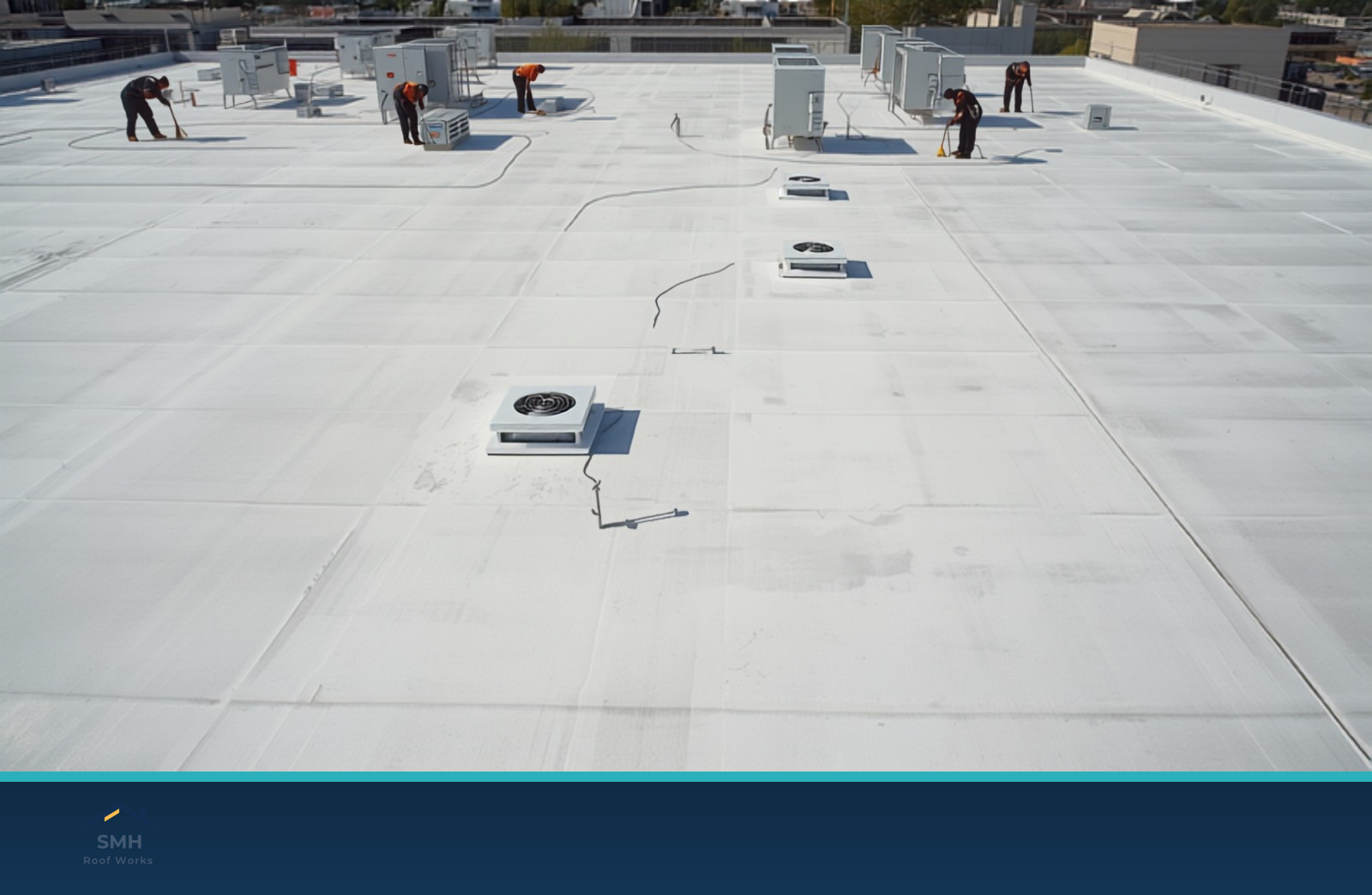
Most commercial and industrial buildings in Downey have flat or low-slope roofs, which require different materials and installation methods than residential shingle or tile roofs. We work with the primary low-slope roofing systems used on commercial buildings today:
TPO (Thermoplastic Polyolefin)
A single-ply reflective membrane that’s heat-welded at the seams. TPO is widely used on commercial buildings because of its energy efficiency — its reflective white surface helps reduce cooling costs, which matters for California’s Title 24 cool-roof requirements on many low-slope commercial reroofing projects. It’s also relatively lightweight and resistant to punctures, UV exposure, and chemical exposure.
EPDM (Rubber Roofing)
A synthetic rubber membrane known for durability and flexibility across temperature swings. EPDM has a long track record on commercial buildings and performs well in both heat and cold, resists UV degradation, and is straightforward to repair when punctures or seam issues occur. It’s typically installed in black, though white (reflective) EPDM is also available.
Modified Bitumen
An asphalt-based roofing system reinforced with polymer modifiers for added flexibility and weather resistance, installed in overlapping sheets that are torch-applied, hot-mopped, or self-adhered. Modified bitumen is a proven, durable option often used on buildings that need extra puncture and impact resistance, such as properties with heavy rooftop foot traffic or equipment.
Built-Up Roofing (BUR)
The traditional “tar and gravel” system, built from alternating layers of asphalt (or coal tar) and reinforcing fabric, finished with a gravel or mineral cap sheet. BUR systems are valued for their multi-layer redundancy and long service life, and remain a solid option for buildings with the structural capacity to support the added weight.
Choosing the Right System for Your Building
The right commercial roofing system depends on your building’s structure, budget, rooftop equipment, foot traffic, and energy goals. During a commercial roof assessment, we look at your existing roof condition (for a re-cover or tear-off decision), roof slope and drainage, rooftop HVAC and equipment penetrations, and your building’s insulation and energy targets under California’s Title 24 energy code, which sets cool-roof reflectance and emittance standards for many low-slope commercial roofing projects. We’ll walk you through the tradeoffs in plain terms before recommending a system.
Signs Your Commercial Roof Needs Attention
Commercial roof problems tend to escalate quietly — a small membrane puncture or a clogged drain can lead to interior water damage, damaged inventory, or business interruption before it’s obvious from the ground. Regular inspection and maintenance catch these issues while they’re still inexpensive to fix. Call (562) 309-6166 to schedule an assessment.
What’s Included in Our Commercial Roofing Services
Our Commercial Roofing Process
- Call to discuss your building. Tell us about your property, roof age, and any issues you’re seeing.
- On-site assessment. We inspect the roof surface, drainage, flashing, and penetrations, and evaluate the condition of the existing system.
- Written scope and recommendation. We explain what we found and outline your options — repair, recover, or full replacement — along with the roofing systems that fit your building and budget.
- Scheduling around your operations. Commercial projects are scheduled to minimize disruption to your business wherever possible.
- Installation or repair. Work is completed by our team following manufacturer specifications for the chosen roofing system.
- Final walkthrough. We review the completed work with you and document the finished roof.
Why Choose SMH Roof Works for Commercial Roofing
California Considerations for Commercial Roofing Projects
Commercial roofing projects in California often involve more than picking a membrane. Many low-slope reroofing and new-construction projects fall under Title 24 energy code requirements for cool-roof reflectance and emittance, and permitting requirements can vary depending on the scope of work, your building type, and your city’s building department. We factor these considerations into our recommendations so the roofing system we install is both a good fit for your building and compliant with applicable requirements. If your property has rooftop solar, HVAC equipment, or other installations added after the original roof, we also account for how those penetrations affect the roofing system’s performance and warranty.
Roofing Contractor Services We Provide in Downey
Types of Jobs We Handle
Recent Roof Work in Downey
A closer look at three jobs we completed nearby — the problem, what we found, and how we fixed it.
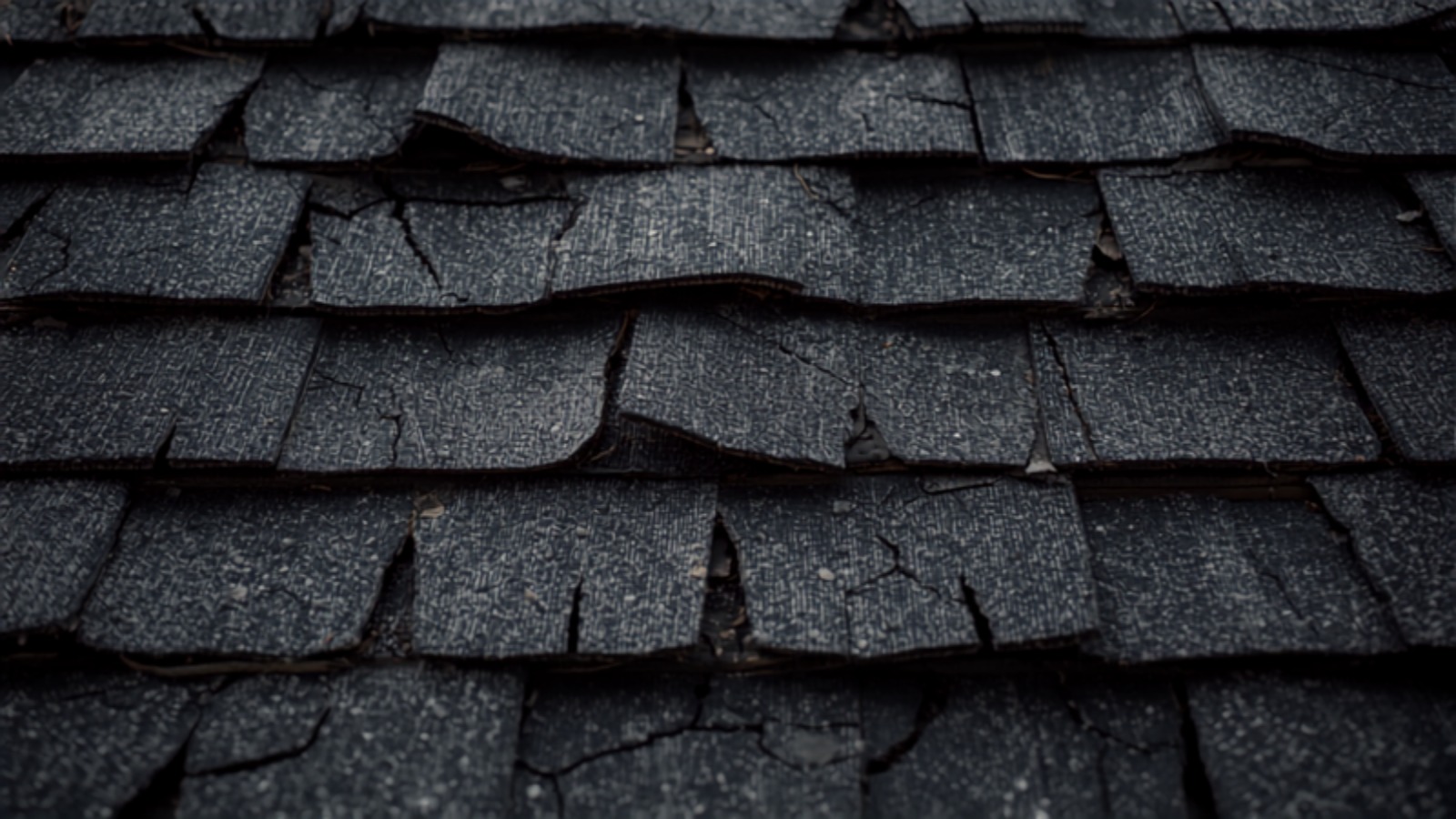
 Example: cracked underlayment hidden beneath curling shingles — common on original 1950s Downey roofs
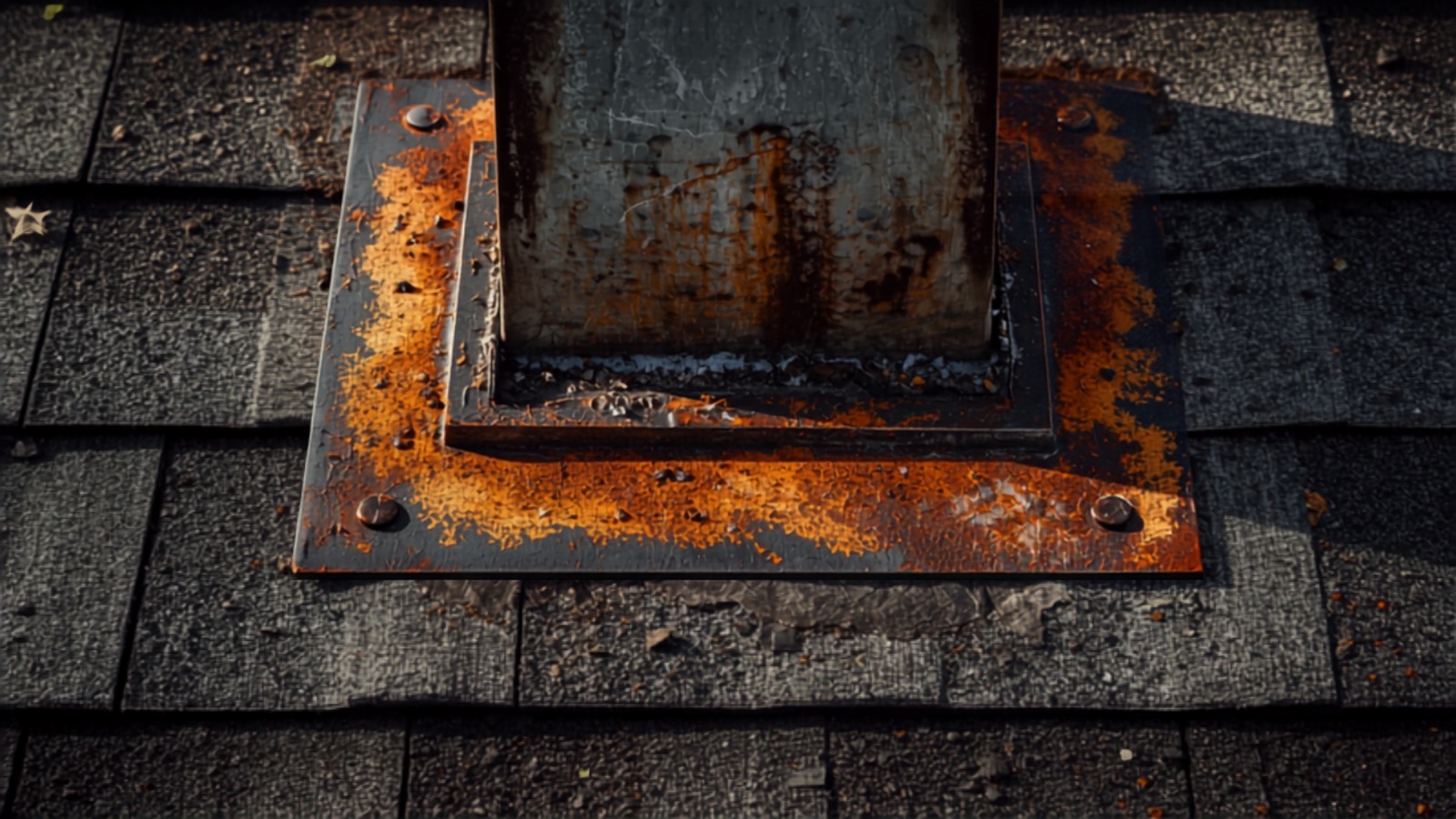
 Example: rusted flashing around a vent pipe, a common leak source in Downey’s postwar tract homes
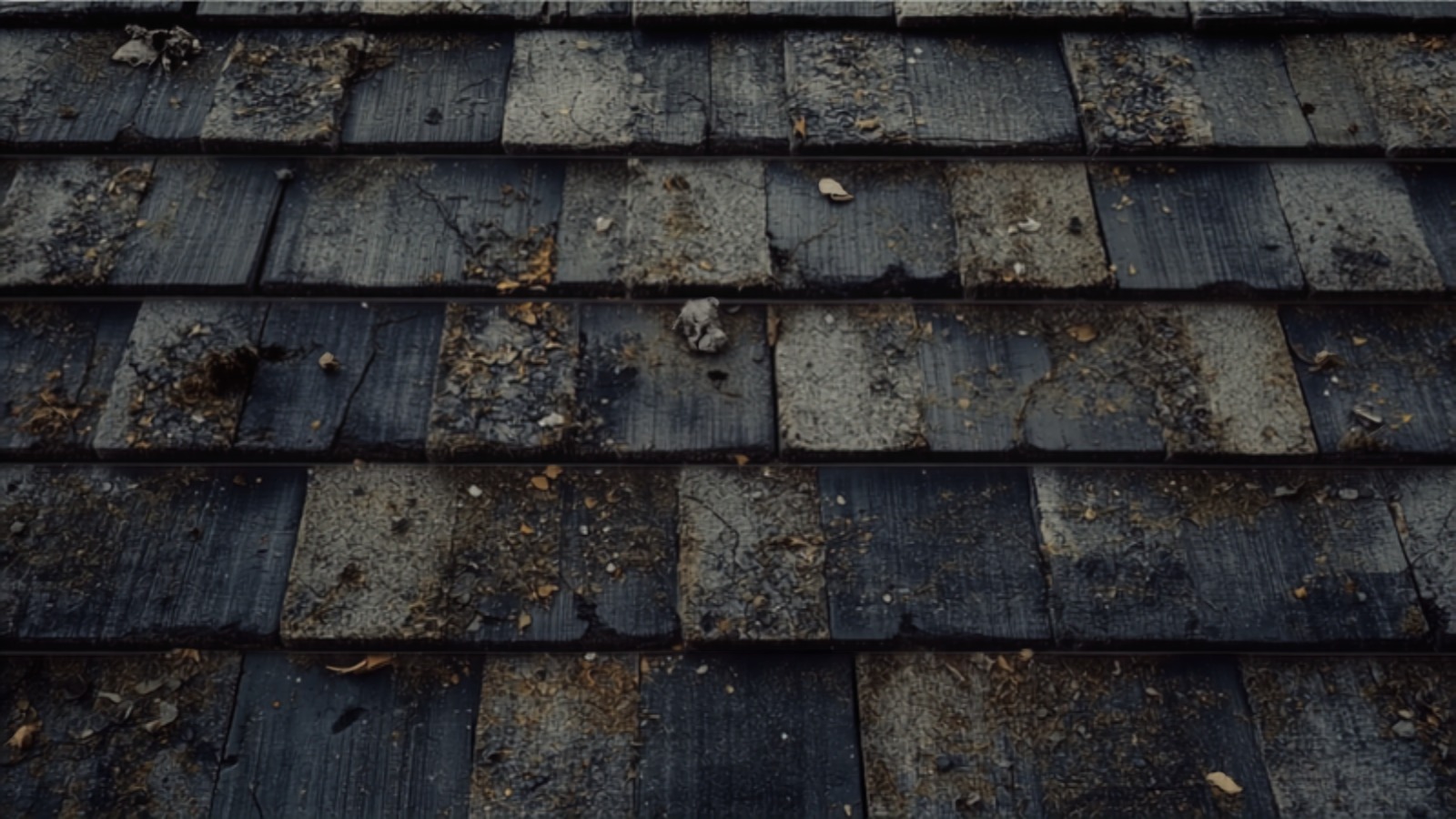
- Example: granule loss and algae streaking that signals a roof nearing the end of its service life
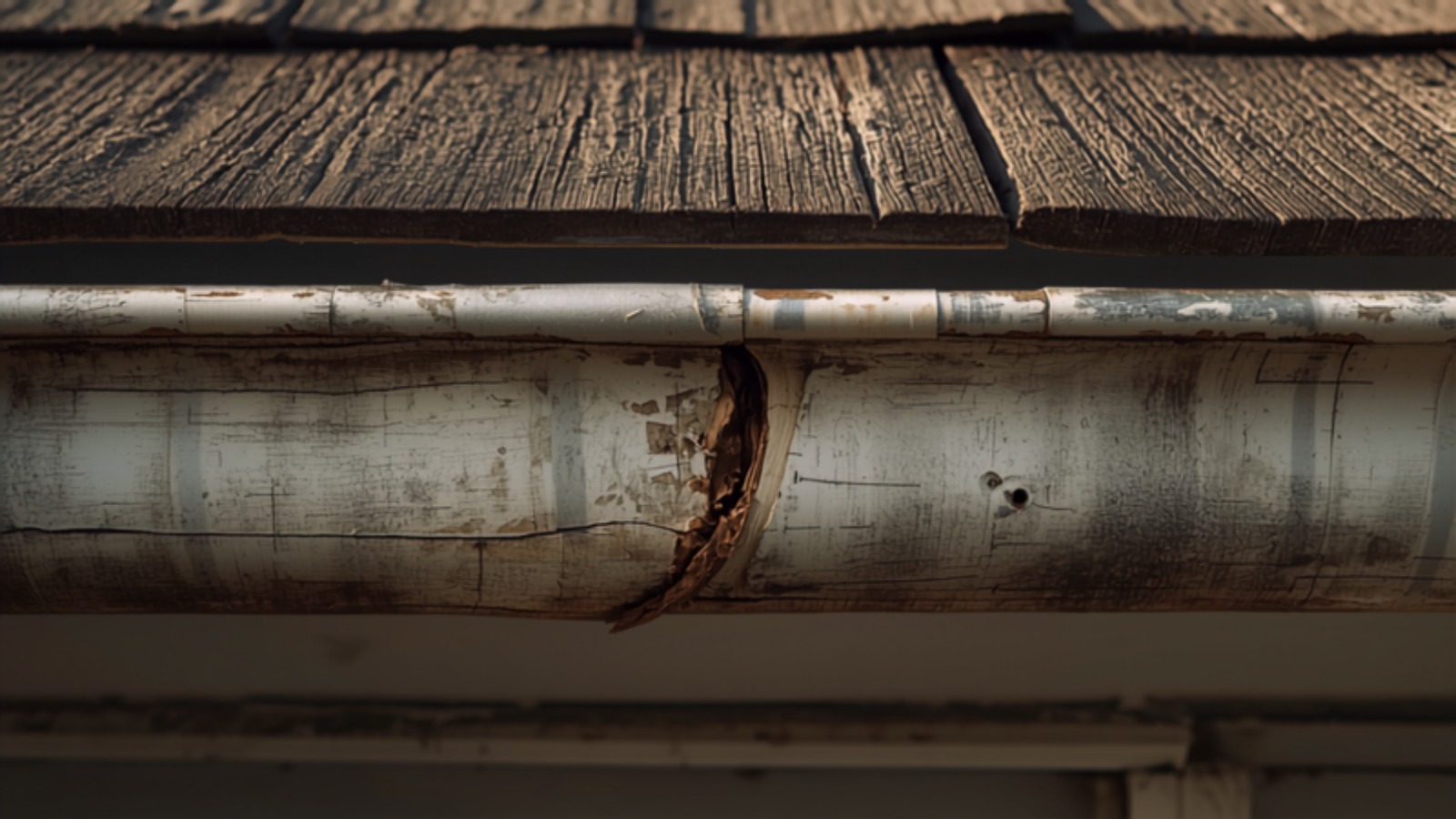
 Example: gutter separation and fascia rot after a season of clogged downspouts
Frequently Asked Questions
What’s the difference between TPO and EPDM?
TPO is a reflective, heat-welded single-ply membrane often chosen for its energy efficiency and cool-roof properties. EPDM is a synthetic rubber membrane known for flexibility and long-term durability across temperature extremes. The right choice depends on your building’s roof slope, insulation goals, budget, and rooftop equipment — we’ll walk you through the tradeoffs during your assessment.
How long do commercial flat roofs typically last?
Service life varies by system, installation quality, climate exposure, and maintenance history. Regular inspections and prompt repair of small issues — punctures, seam separation, drainage problems — are the biggest factors in maximizing the life of any low-slope roofing system.
Do commercial roofs in California have to meet cool-roof requirements?
Many low-slope commercial roofing projects in California are subject to Title 24 energy code requirements around roof reflectance and emittance, particularly for new construction and certain reroofing projects. Requirements can vary based on project scope and building type, so we evaluate this during your assessment and can help select a compliant roofing system.
Can you repair my existing commercial roof instead of replacing it?
Often, yes. Many commercial roofing issues — membrane punctures, seam failures, flashing problems, localized ponding — can be repaired without a full replacement, especially when caught early. We’ll give you an honest assessment of whether repair, a recover system, or full replacement makes the most sense for your building.
Will roofing work disrupt my business operations?
We work with you to schedule commercial projects around your business hours and operations wherever possible, and we’ll discuss the expected timeline and any access needs before work begins.
Do you handle rooftop HVAC and equipment flashing?
Yes. Properly flashing and sealing around HVAC units, curbs, vents, and other rooftop equipment is a standard part of both new installations and repair work, since these penetrations are common sources of commercial roof leaks.
How do I get a quote for my building?
Call (562) 309-6166 to schedule an on-site assessment. We’ll evaluate your roof and provide a written scope and recommendation based on what we find.
Explore Our Roofing Services
Licensed roofing services for homeowners and businesses across Downey and the Gateway Cities.
Areas We Serve
Local roofing contractor coverage throughout the Gateway Cities region.