Metal Roofing & Attic Ventilation in Downey, CA
SMH Roof Works installs standing seam and exposed-fastener metal roofing and upgrades attic ventilation for homes across Downey, CA (90239-90242) and the Gateway Cities. Licensed and bonded, with written estimates for metal roof installation, ridge and soffit vents, and energy-efficient roofing upgrades.
100+ ReviewS
Licensed & Certified
100% Satisfied clients
An aging roof and a poorly vented attic cost you more every summer in Downey.
A roof nearing the end of its life and an attic that isn’t venting properly both drive up cooling costs and shorten the life of everything above the ceiling. Since your roof and attic work as one system, you deserve a contractor who evaluates both before recommending a fix.
We help Downey homeowners choose the right roofing material and ventilation setup the first time.
We’re licensed and bonded to work in California, and every estimate is written, not verbal. Every metal roofing inspection includes an attic ventilation assessment, not just what’s visible from the ground. If a ventilation upgrade will genuinely solve the problem, we’ll say so instead of upselling a full reroof you don’t need yet.
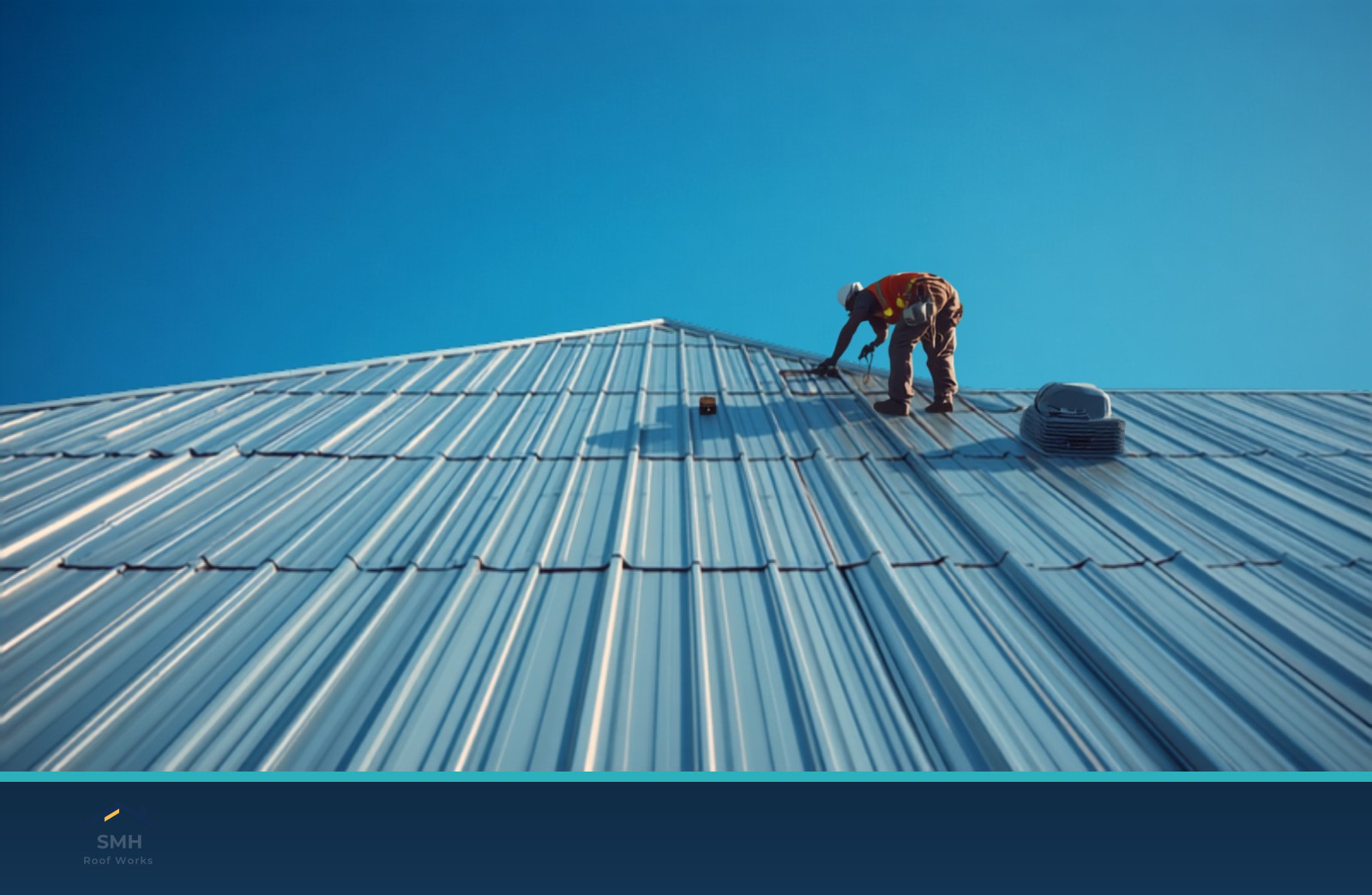
Metal roofing and attic ventilation are two of the highest-impact upgrades a Downey homeowner can make to a roof system, and they work best together. A well-installed metal roof can outlast two or three generations of asphalt shingles, reflects a meaningful share of solar heat instead of absorbing it, and stands up to the wind, sun, and occasional wildfire embers that come with life in Southern California. Proper attic ventilation protects that investment from the inside, moving hot, moist air out of the attic before it can bake the roof deck, degrade insulation, or feed mold growth. SMH Roof Works installs and repairs both, and every estimate is written and itemized, not a verbal number over the phone.
Whether you’re considering a full metal roof replacement, want to know if your attic is venting properly before summer heat sets in, or are simply comparing metal against another reroof option, we’ll walk the property, explain what we find, and give you a straightforward recommendation.
Standing Seam vs. Corrugated (Exposed-Fastener) Metal Roofing
“Metal roofing” covers more than one type of system, and the two most common options for residential homes in Downey are standing seam panels and corrugated, exposed-fastener panels. Understanding the difference matters because it affects cost, appearance, maintenance, and how long the roof is likely to perform without issues.
Standing seam metal roofing uses vertical panels joined by raised, interlocking seams that run from the ridge to the eave. The fasteners are hidden underneath those seams rather than driven through the face of the panel, which means there are no exposed screw heads for water to work its way past over time. Standing seam systems are generally the higher-end, longer-lasting option, and they’re a common choice for homeowners who want a clean, modern look along with strong long-term weather performance.
Corrugated and other exposed-fastener panel systems are installed with screws driven directly through the panel face into the roof deck or purlins below, typically through a rubber washer designed to seal each penetration. These systems tend to cost less upfront and install faster, which makes them a popular choice for garages, patio covers, agricultural buildings, and budget-conscious residential reroofs. The tradeoff is that exposed fasteners and their washers are wear items — the washers can shrink, crack, or back out over years of thermal expansion and contraction, and each one is a potential leak point that eventually needs a look. With regular inspection and washer replacement as needed, exposed-fastener panels can still deliver decades of reliable service; they simply come with more routine maintenance than a standing seam system.
| Feature | Standing Seam | Corrugated / Exposed-Fastener |
|---|---|---|
| Fasteners | Hidden under raised seams | Exposed through panel face |
| Typical upfront cost | Higher | Lower |
| Maintenance | Minimal — few penetration points | Periodic washer/fastener checks |
| Common use | Full residential reroofs, visible rooflines | Garages, patios, budget reroofs |
| Appearance | Clean vertical lines, modern | Ribbed/wavy panel profile |
Lifespan, Reflectivity & Fire Resistance
One of the biggest reasons homeowners choose metal is longevity. A properly installed and maintained metal roof can typically last 40 to 70 years, depending on the panel type, coating, and local exposure, compared with roughly 15 to 25 years for a typical asphalt shingle roof. Over the life of a home, that difference often means one metal roof replaces two or three shingle reroofs.
Metal roofing also tends to reflect more of the sun’s energy than dark asphalt shingles, which absorb heat and radiate it into the attic below. Many metal roofing products are available with reflective, cool-roof-rated finishes that reduce how much heat transfers into the building, which can help lower attic temperatures and ease the load on air conditioning during Downey’s hot, sunny summers. In California, cool-roof performance can also be relevant to Title 24 energy code compliance on certain reroofing projects, so it’s worth discussing coating and reflectivity ratings with your contractor before choosing a product.
Fire resistance is another point in metal’s favor. Metal roofing is noncombustible and typically carries a Class A fire rating (the highest available) as part of an assembled roofing system, which matters in Southern California’s wildfire-prone climate, especially for properties near open brush or in higher fire-hazard areas. It’s worth noting that the fire rating applies to the roof assembly as installed, including the underlayment and deck, so proper installation matters as much as the panel material itself.
Is Metal Roofing a Good Fit for Downey Homes?
Downey’s climate — long dry summers, intense direct sun, and periodic Santa Ana wind events — plays to several of metal roofing’s strengths. Reflective coatings help manage heat gain during the hottest months, the material doesn’t crack or curl the way aging asphalt shingles can under UV exposure, and standing seam systems in particular hold up well against wind uplift when installed with the correct fastening pattern and clip spacing for the local wind exposure category.
Cost factors for a metal roof installation generally include the panel type and gauge, the roof’s square footage and pitch, the complexity of the roofline (valleys, dormers, penetrations), whether the existing roof needs to be torn off or can be covered in some cases, and the underlayment and flashing details used. Rather than quoting a price without seeing the roof, we measure the property in person and provide a written, itemized estimate so you know exactly what’s included before any work begins.
Metal Roof Installation Considerations & Maintenance
Metal roofing performs best when a few installation details are handled correctly: proper underlayment (including high-temperature underlayment near valleys and eaves), correct panel fastening or clip spacing for local wind loads, properly flashed penetrations at vents, skylights, and chimneys, and allowance for the panel’s natural thermal expansion and contraction across seasonal temperature swings. Dissimilar-metal contact should also be avoided at flashing and fastener points, since certain metal combinations can accelerate corrosion over time.
Once installed, metal roofs require comparatively little maintenance. A periodic visual inspection to check fasteners (on exposed-fastener systems), confirm flashing is intact around penetrations, and clear any debris from valleys is generally enough to keep the system performing well for decades. This is a fraction of the upkeep that asphalt shingle roofs typically require.
Why Attic Ventilation Matters — For Any Roof, Not Just Metal
Attic ventilation is often overlooked, but it directly affects how long a roof lasts and how comfortable and efficient the home underneath it is — regardless of whether the roof covering is metal, asphalt shingle, or tile. A properly ventilated attic allows continuous airflow that pulls in cooler air low (through soffit vents) and pushes hot, moist air out high (through ridge, gable, or powered vents). Without that airflow, two problems tend to build up over time:
- Heat buildup. A poorly ventilated attic can reach very high temperatures on a hot day, and that heat radiates downward into living spaces and works against your air conditioning, while also accelerating the aging of roofing materials, underlayment, and adhesives from the underside.
- Moisture and mold. Warm, moist air from bathrooms, kitchens, and everyday living rises into the attic. Without a path to escape, that moisture condenses on the underside of the roof deck and on framing, which can lead to wood rot, mold growth, and reduced insulation performance — all of which are far more expensive to fix than the ventilation improvements that would have prevented them.
Good ventilation also helps in winter by keeping the underside of the roof deck closer to outdoor temperature, which reduces the kind of uneven melting and refreezing that can occur in colder climates — less of a concern in Downey specifically, but it illustrates how ventilation affects the roof deck year-round, not just in summer.
Types of Attic Ventilation
Effective attic ventilation relies on a balanced system of intake and exhaust vents working together, not just one type of vent installed on its own.
| Vent Type | Function | Location |
|---|---|---|
| Soffit vents | Intake — draws in cooler outside air | Underside of roof eaves/overhangs |
| Ridge vents | Exhaust — lets hot air escape continuously along the peak | Along the roof ridge |
| Gable vents | Exhaust (or intake, depending on design) | Gable end walls |
| Powered attic fans | Active exhaust — mechanically pulls hot air out | Roof deck or gable, thermostat or humidistat controlled |
| Static/box vents | Passive exhaust at fixed points | Scattered across the roof deck |
Soffit vents paired with a continuous ridge vent are one of the most common and effective combinations, since they create steady passive airflow from eave to peak without relying on electricity. Powered attic fans can supplement this in attics that need extra help, but they should be sized and balanced correctly with adequate intake venting — a powerful exhaust fan without enough soffit intake can actually pull conditioned air from the living space below instead of outside air, which works against the goal.
Signs of Poor Attic Ventilation
Some warning signs are visible from inside the attic; others show up as symptoms elsewhere in the home:
If any of these sound familiar, it’s worth having the attic’s ventilation evaluated alongside the roof itself. In many cases, adding or upgrading soffit and ridge venting is a relatively straightforward improvement that pays off in both roof lifespan and comfort.
How Ventilation and Roofing Material Work Together
Attic ventilation isn’t a feature exclusive to metal roofs — it matters just as much under asphalt shingles or tile. That said, pairing a reflective metal roof with a properly balanced ventilation system tends to compound the energy benefits: the roof surface itself reflects more solar heat, and the ventilation system removes whatever heat does make it into the attic space, reducing the combined load on the home’s cooling system. For homeowners planning a metal roof installation, it’s an efficient time to also evaluate and, if needed, upgrade attic ventilation, since much of the roof deck and eave area is already accessible during the reroof.
Why Choose SMH Roof Works
Roofing Contractor Services We Provide in Downey
Types of Jobs We Handle
Recent Roof Work in Downey
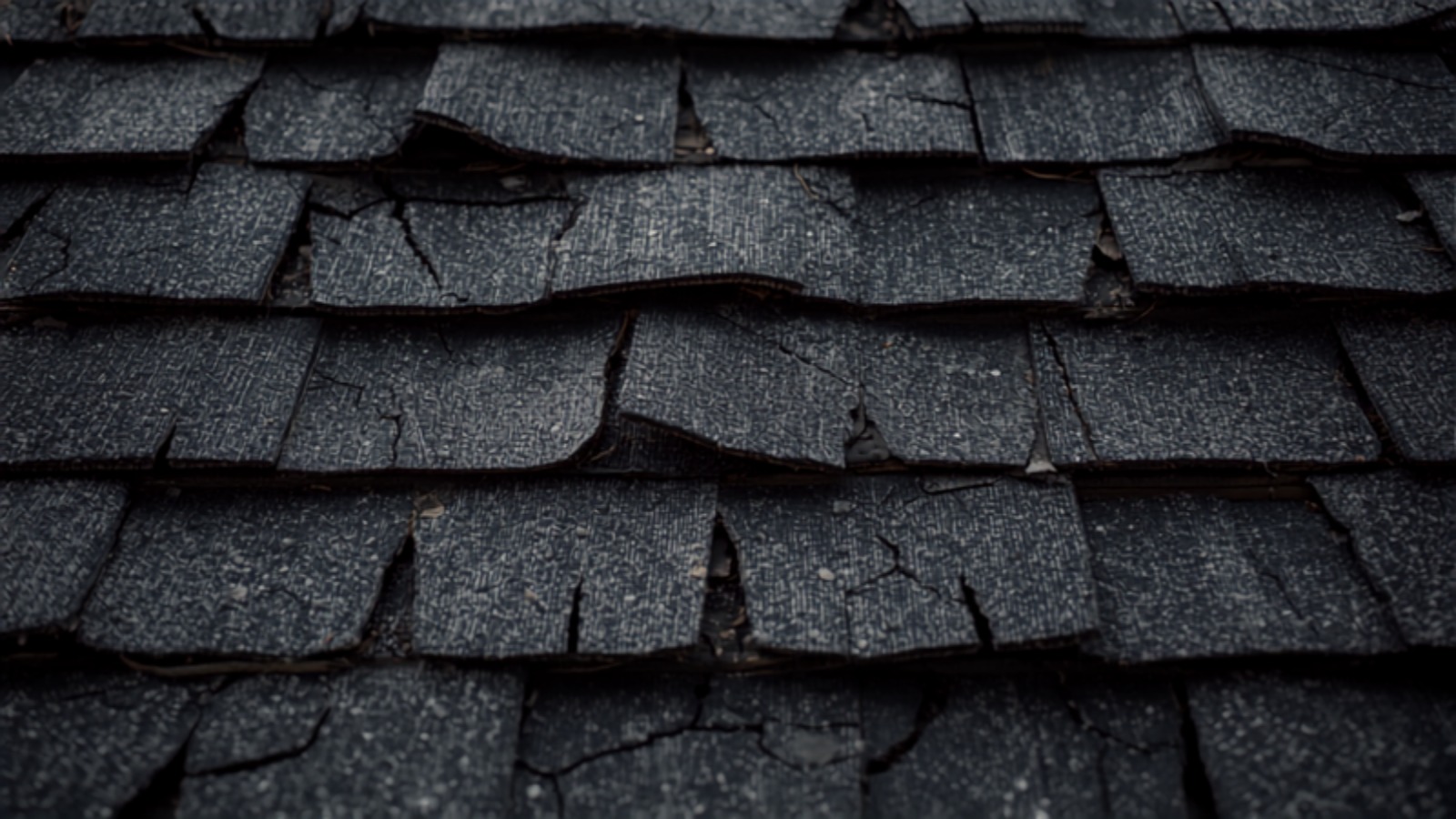
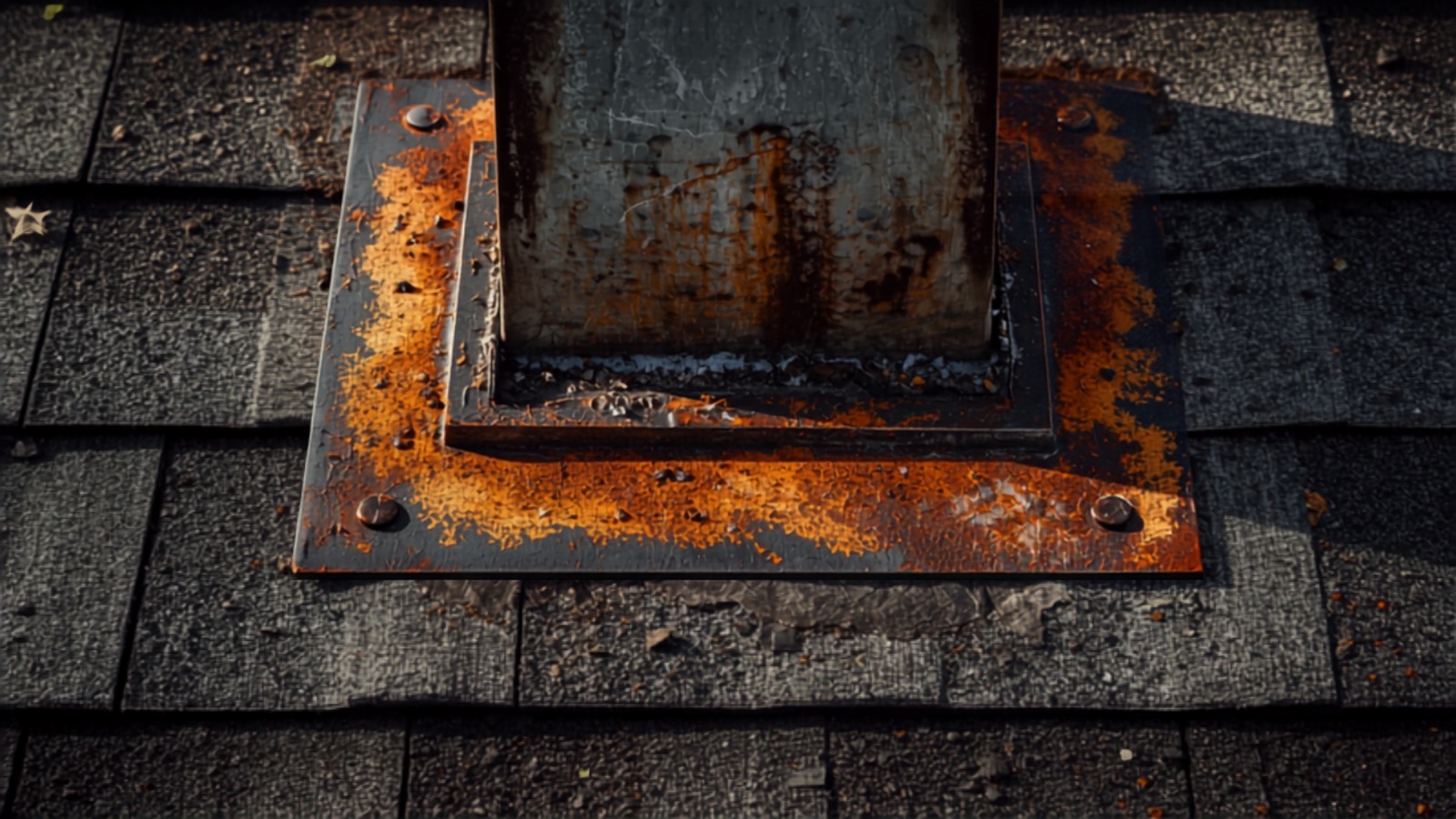
A closer look at three jobs we completed nearby — the problem, what we found, and how we fixed it.
 Example: cracked underlayment hidden beneath curling shingles — common on original 1950s Downey roofs
 Example: rusted flashing around a vent pipe, a common leak source in Downey’s postwar tract homes
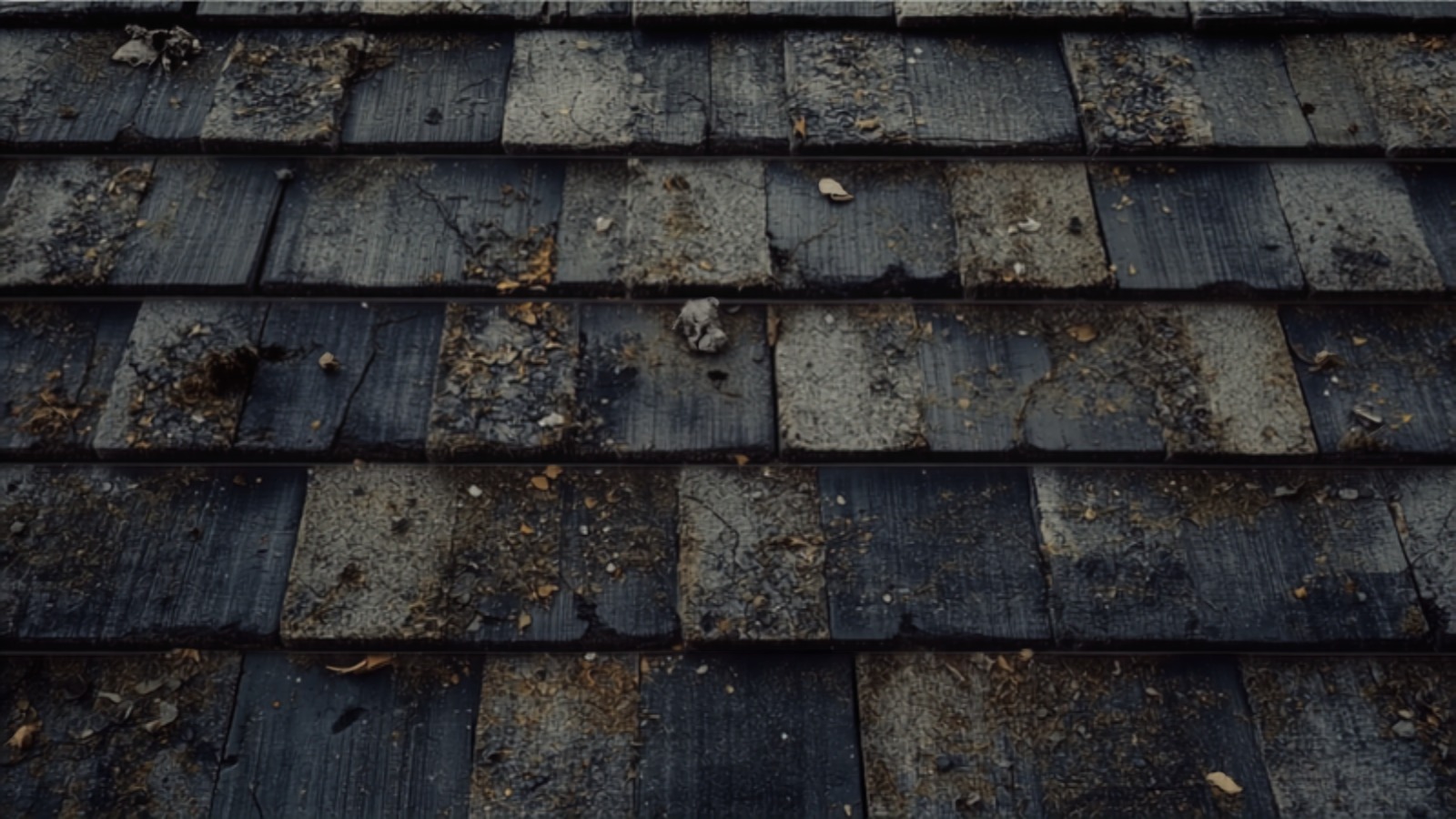
- Example: granule loss and algae streaking that signals a roof nearing the end of its service life
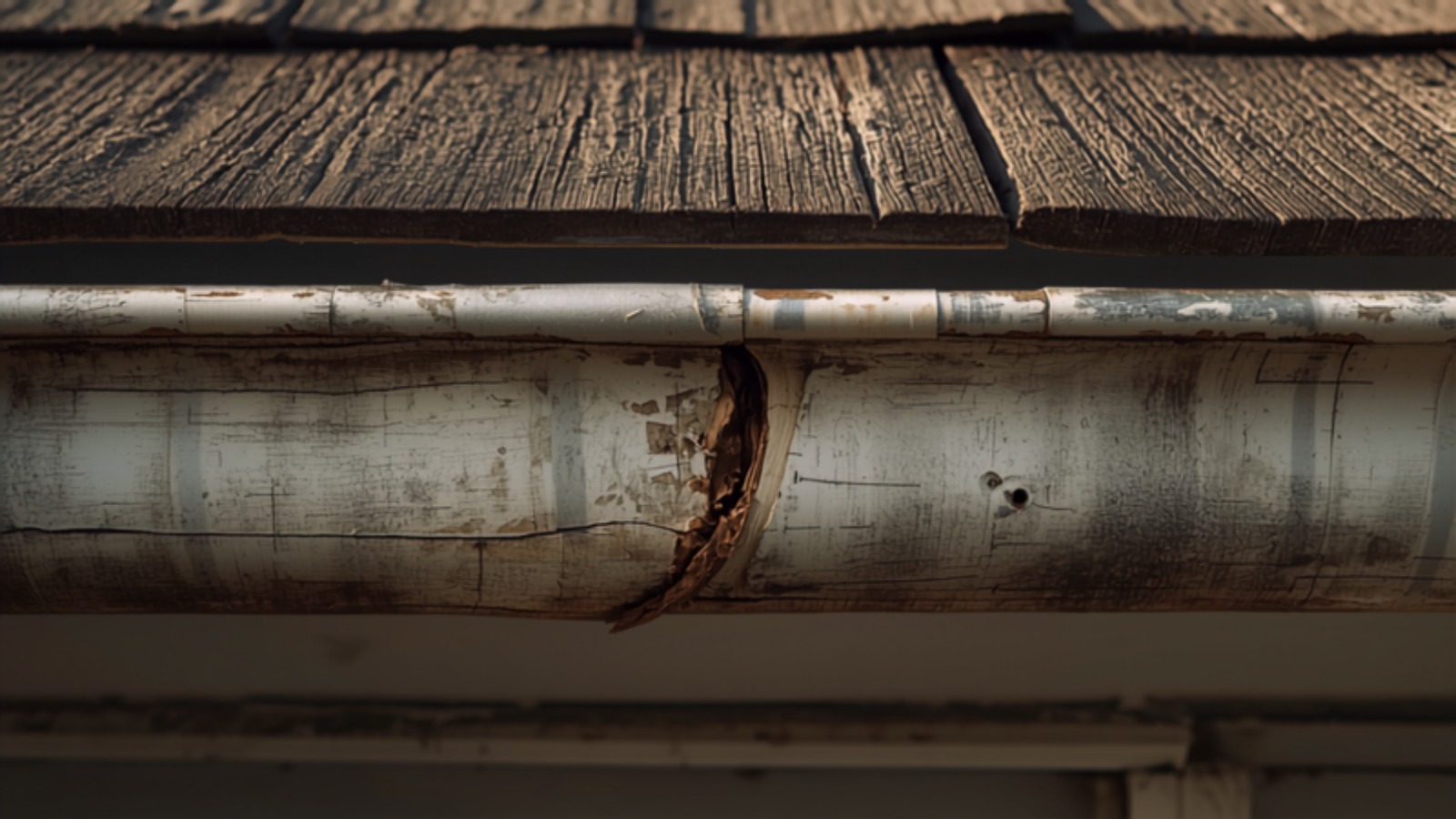
 Example: gutter separation and fascia rot after a season of clogged downspouts
Explore Our Roofing Services
Licensed roofing services for homeowners and businesses across Downey and the Gateway Cities.
Areas We Serve
Local roofing contractor coverage throughout the Gateway Cities region.