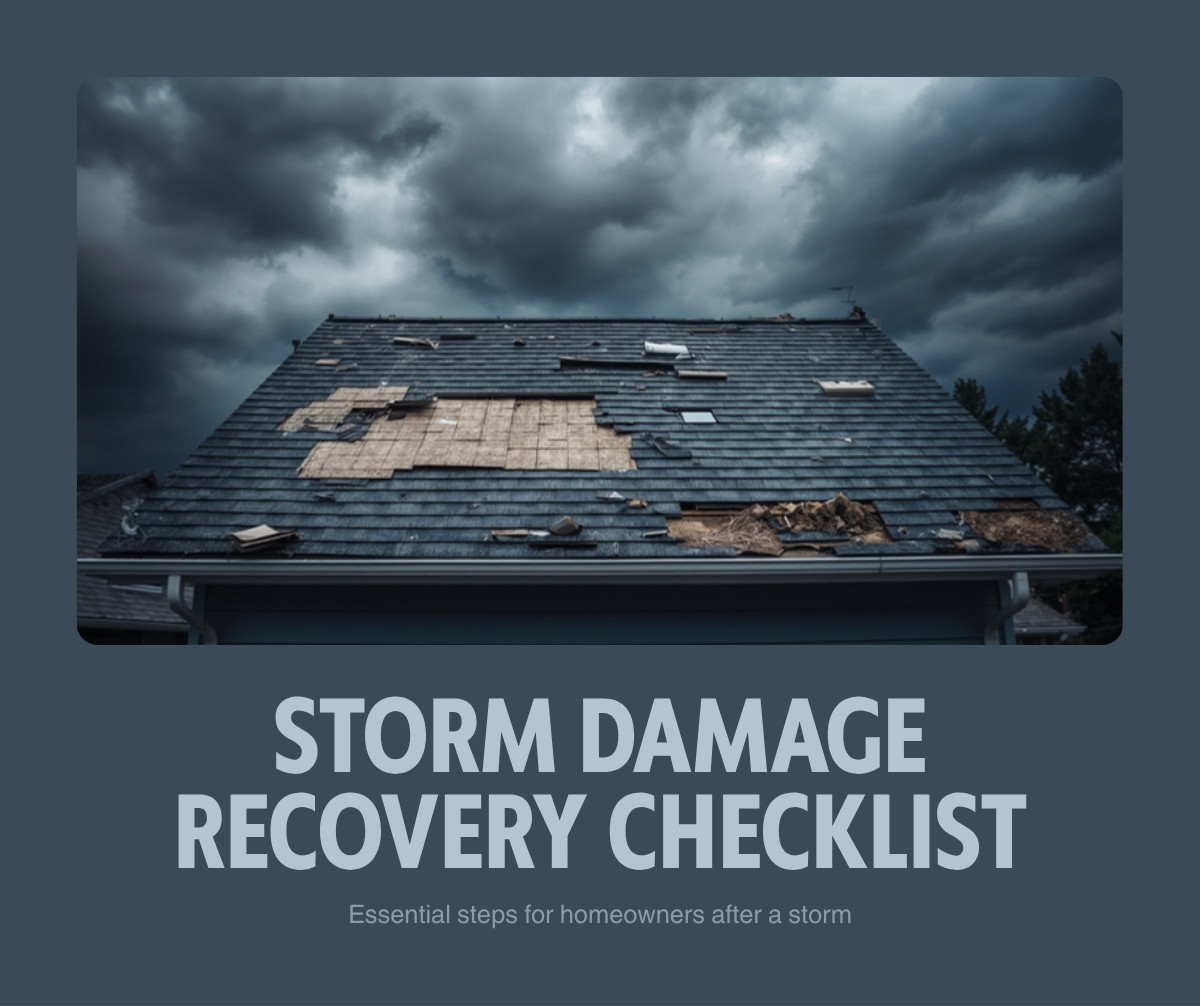
What to Do After Storm Damage: A Homeowner’s Checklist
What to Do After Storm Damage: A Homeowner’s Checklist
⚡ Quick Takeaway: Safety first, documentation second, repairs third. Photograph everything before you touch anything, apply only temporary protective measures, and call a licensed local contractor rather than the first storm-chasing crew that knocks.
Step 1: Make Sure Everyone Is Safe First
Before you think about the roof at all, confirm that your home and family are safe. Storm damage assessment can wait a few minutes; avoiding injury cannot.
- Stay away from downed power lines and report them to the utility company immediately.
- Watch for loose or dangling debris, broken tree limbs, or sections of roofing material that could fall.
- If you smell gas or see structural damage that looks severe, leave the area and call emergency services.
- Never walk on a roof after a storm to inspect it yourself. Wet, wind-damaged roofing is unstable and a serious fall risk. Leave the on-roof inspection to a professional.
- Keep children and pets away from the yard until you’ve checked for debris and hazards.
Step 2: Document Everything Before You Touch Anything
Thorough documentation is one of the most important things you can do, both for your own records and for any future insurance claim. Do this before any cleanup or temporary repairs, if it’s safe to do so.
- Photograph and video everything from the ground. Walk the perimeter of your home and capture the roof, gutters, siding, windows, fencing, and yard from multiple angles. Wide shots and close-ups both help.
- Document interior damage too. Water stains on ceilings, damp spots in the attic, or leaks around light fixtures are all relevant if the roof was compromised.
- Note the date and approximate time of the storm, along with any local news reports or weather service records describing wind speeds or hail in your area. This can support your claim later.
- Keep a written log of everything you notice, when you noticed it, and any temporary measures you take.
- Save receipts for any emergency supplies, tarps, or temporary lodging if your home becomes uninhabitable.
Why Documentation Matters So Much
Insurance adjusters rely heavily on evidence of the damage’s condition immediately after the storm. Photos and video taken before any repairs or cleanup give you a clear, dated record that supports your claim and can prevent disputes over what caused the damage and when.
Step 3: Apply Temporary Protective Measures
If your roof has active leaks or exposed areas, temporary protection can prevent a bad situation from getting worse, but only take these steps yourself if you can do so safely from the ground or through the attic, never by climbing onto a damaged roof.
- Contain interior leaks. Place buckets or containers under active drips and move furniture, electronics, and belongings out of the way.
- Cover broken windows from the inside with plastic sheeting or plywood if it’s safe to do so.
- Leave roof tarping to a professional whenever possible. Tarping a damaged roof involves working at height on an unstable surface. This is exactly the kind of job a licensed roofing contractor is equipped and insured to do safely and correctly. A poorly secured DIY tarp can blow off in the next wind event and cause additional damage.
- Call your roofing contractor promptly to request emergency tarping if the damage is significant. Many licensed roofers, including our team, treat storm-damage tarping as an urgent priority.
Step 4: Contact Your Insurance Company
Once immediate safety and protection are handled, report the damage to your insurance company. Ask about your policy’s timeline for filing a claim, and request an adjuster inspection. Provide the documentation you gathered in Step 2. This helps establish an accurate, dated record of the damage.
Step 5: Get a Professional Roof Inspection
An independent inspection from a licensed roofing contractor gives you an accurate picture of the damage, separate from and in addition to, your insurance adjuster’s assessment. A written inspection report and repair estimate from a contractor you trust is valuable whether you’re filing an insurance claim or simply deciding how to move forward. It also gives you a second, professional opinion to compare against the adjuster’s findings.
💡 Local Tip: Check your attic and gutters within a day or two of any major storm, even if you don’t see obvious exterior damage. Hidden leaks often start there before they show up inside the house.
Step 6: Know How to Spot and Avoid Storm-Chasing Scams
After any significant storm, it’s common for out-of-town crews, sometimes called “storm chasers,” to go door to door in affected neighborhoods offering fast, cheap repairs. Some are legitimate traveling crews, but many operate with little accountability once the job is done and they’ve left town. A few precautions protect you:
- Verify the contractor’s California license through the Contractors State License Board (CSLB) before signing anything. Ask for the license number directly and look it up yourself.
- Be cautious of high-pressure tactics, such as demands to sign a contract on the spot or claims that “today only” pricing is available.
- Never pay the full amount upfront. Reputable contractors typically work with a reasonable deposit and progress payments, not full payment before work begins.
- Be wary of anyone who inspects your roof uninvited and immediately claims extensive damage, especially if they pressure you to file an insurance claim through them specifically.
- Choose a local, established contractor whenever possible, one with a permanent business address and a track record in your community, who will still be reachable if a warranty issue comes up years later.
- Get everything in writing, including the scope of work, materials, timeline, and total cost, before any work begins.
Step 7: Schedule Repairs With a Licensed, Local Contractor
Once you have a clear picture of the damage and your insurance coverage, move forward with repairs through a licensed, bonded contractor based in your area. A contractor who lives and works in the Gateway Cities has a reputation to maintain locally and is accountable long after the job is finished, not just until the next town.
Check the Attic and Gutters, Not Just the Roof Surface
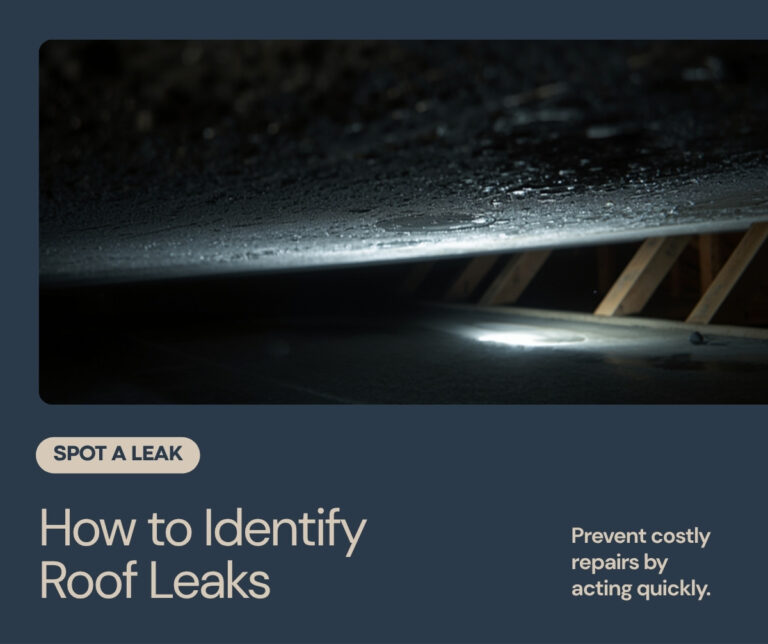
A lot of storm damage doesn’t show up from the driveway. If it’s safe to get into your attic, take a flashlight up and look for daylight coming through the roof boards, damp or discolored insulation, water tracks running down the rafters, or any new dark staining, all signs of a leak that hasn’t made it to your ceiling yet. Down at ground level, check your gutters and downspouts for dents or an unusual amount of granules collecting in them, which is a common sign of hail impact on composition shingles even when the shingles themselves look okay from a distance.
If a tree limb has actually come down on the roof or is resting against a power line, don’t try to clear it yourself. Shut off electricity and water to that part of the house if you can do so safely, and call in a professional tree service to work alongside your roofing contractor. Removing a limb without coordinating with a roofer first can open up more damage than it fixes.
The Insurance Information Institute also publishes general guidance on filing a property claim after a disaster, which is worth reviewing alongside your own policy.
Frequently Asked Questions
Should I go up on my roof to check for storm damage myself?
No. Wet, wind-damaged roofing can be unstable, and falls are a serious risk. Do a visual check from the ground with binoculars if you’d like, and leave the close-up inspection to a licensed professional with the right safety equipment.
How quickly do I need to tarp a damaged roof?
As soon as reasonably possible, especially if there’s an active leak or exposed decking. The longer water can get into the structure, the more secondary damage (rot, mold, ruined insulation) can develop. Call a roofing contractor promptly to request emergency tarping.
Do I need photos before I call my insurance company?
It’s best to document the damage as soon as it’s safe to do so, ideally before any cleanup or temporary repairs. That said, don’t delay reporting the claim while you wait for perfect documentation. You can always provide additional photos afterward.
How can I tell if a roofing contractor is a storm chaser?
Warning signs include unsolicited door-to-door visits right after a storm, high-pressure same-day contract signing, requests for full payment upfront, an out-of-state vehicle or unfamiliar local presence, and reluctance to provide a verifiable California contractor’s license number.
What if the storm damage isn’t visible from the ground?
This is common, especially with wind damage. Lifted shingles, loosened flashing, or shifted tiles often aren’t obvious without a close inspection. If a storm was significant enough to cause debris or downed limbs in your area, it’s worth having a professional check your roof even if nothing looks wrong from the street.
Will my insurance cover storm damage to my roof?
Coverage depends entirely on your specific policy, so you’ll need to review your policy details or speak with your insurance company directly. A documented inspection report from a licensed contractor is useful supporting evidence no matter what your policy covers.
How do I know if hail damaged my roof if I can’t see dents?
Check your gutters and downspouts for an unusual buildup of granules, the small colored particles that coat composition shingles. A heavier-than-normal amount collecting there after a hailstorm is often a sign of impact damage on the shingles themselves, even when nothing looks obviously wrong from the ground.
If a recent storm has left your roof damaged or you’re not sure what to check for, SMH Roof Works is a licensed and bonded roofing contractor based in Downey, serving homeowners throughout the Gateway Cities. We offer prompt storm damage inspections and emergency tarping when needed.
Choosing a Roofer Familiar with Downey and the Gateway Cities
After a storm specifically, local experience counts for even more. A contractor who has handled storm damage across Downey, Norwalk, Whittier, and Pico Rivera knows which neighborhoods tend to see the most wind exposure during Santa Ana events, which streets flood or pond water on flat sections, and how local building and permitting offices want storm-damage repairs documented, knowledge that speeds up both the repair and the insurance side of things.
After a storm, ask any contractor for their California license number, whether they can respond same-day or next-day for emergency tarping, and whether they have recent local references from a storm you can check on. That local accountability is exactly what separates an established contractor from an out-of-town storm-chasing crew that will be gone by next season.